
Diverticular disease is a digestive disorder that affects the colon—a part of the large intestine. 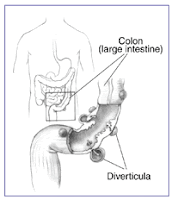 The colon helps remove wastes from the body. Diverticular disease may either be diverticulosis or diverticulitis. When pouches, called diverticula, form in the colon, the diverticular disease is specifically called diverticulosis. Diverticula are most common in the lower portion of the large intestine, called the sigmoid colon. Diverticulitis occurs when the pouches that form become inflamed.
Diverticular disease is more common in people as they age. In fact, according to the National Digestive Diseases Information Clearinghouse (NDDIC), chances of getting it increases every 10 years when a person reaches the age of 40.
Causes
The actual cause of diverticular disease is not fully understood. However, experts believe that having a diet low in fiber causes diverticular disease. Fiber, which is obtained from many fruits and vegetables, is important for good bowel movement.
It is difficult for the body to digest fibers in food. But, even so, these fibers that travel in the colon absorb water, which makes bowel movements much easier to pass. People with diets low in fiber may experience constipation, which can occur when stools harden and makes it difficult to pass. When constipation occurs, it can cause straining of muscles while passing stool. Too much straining may cause formation of diverticula in the colon. When these pouches get infected with bacteria or stools are caught in the diverticula, diverticulitis can occur.
[Top of Page]
Signs and Symptoms
The symptoms of diverticulosis and diverticulitis may differ from each other.
Diverticulosis may not cause symptoms in some people. However, others may experience cramping, bloating, and constipation. Some may also experience bleeding, inflammation, and fistulas—abnormal connection of tissues, either between two organs or between an organ and the skin. Rectal bleeding, which is bleeding that occurs in the rectum—the end of the colon that connects to the anus. Rectal bleeding may be painless, yet, it can be dangerous because it may be a symptom of a more serious problem. A consultation with a doctor is advised.
Diverticulitis can cause symptoms such as:
Complications
Diverticulitis can lead to bleeding; infection, called peritonitis; small tears, called perforations; or blockages in the colon. These complications always require treatment to prevent them from progressing and causing serious illness.
[Top of Page]
Tests and Diagnosis
In addition to learning about your signs and symptoms, medical history, and performing physical examination, your doctor may also recommend additional tests to help with the diagnosis and look for possible complications.
Tests for diverticular disease may include:
Treatment of Diverticular Disease
Treatment of the condition depends on the type of diverticular disease and how serious the problem is. Most people get better by simply changing their diet. If you have rectal bleeding, you need to see your doctor immediately so she or he can find the part of your colon that is bleeding. Your doctor may prescribe a special drug that makes the bleeding stop. He or she may also decide to operate and remove the part of the colon that is bleeding.
For Diverticulosis
Eating high-fiber foods can help relieve symptoms. Sometimes mild pain medications also help.
[Top of Page]
For Diverticulitis
The doctor may prescribe antibiotics, pain reliever, and recommend bed rest and following a liquid diet. Most people get better with this treatment. However, some people may need surgery and other treatments.
Surgery. More serious problems from diverticulitis are treated with surgery. The surgeon can clean the abdomen after infections and remove bleeding pouches and fistulas.
Colon resection. For recurring diverticulitis, your doctor might suggest removing the part of the colon with diverticula. The healthy sections can then be joined together. With the diverticula gone, you may avoid other infections.
Emergency surgery. If you have severe problems, you may need emergency surgery to clear the infection and remove part of the colon. Later, a second surgery rejoins the healthy sections of the colon. The colon is separated for a brief time between surgeries, because rejoining the colon during the first surgery is not always safe.
A temporary colostomy is needed between the two surgeries. A colostomy is an opening made on the abdomen where a plastic bag is connected to collect stool after food is digested. The surgeon makes the opening, called a stoma, and connects it to the end of the colon.
[Top of Page]
References:
National Digestive Diseases Information Clearinghouse (June 2007). What I need to know about Diverticular Disease (NIH Publication No. 07—5535). National Diabetes and Digestive and Kidney Diseases (NIDDK), National Institutes of Health (NIH), Bethesda, MD. Web URL: http://digestive.niddk.nih.gov/ddiseases/pubs/diverticular/index.htm. Accessed: December 18, 2008
National Digestive Diseases Information Clearinghouse (July 2008). Diverticulosis and Diverticulitis (NIH Publication No. 08—1163). National Diabetes and Digestive and Kidney Diseases (NIDDK), National Institutes of Health (NIH), Bethesda, MD. Web URL: http://digestive.niddk.nih.gov/ddiseases/pubs/diverticular/index.htm. Accessed: December 18, 2008
Image Credit: NIDDK
[Top of Page]
The colon helps remove wastes from the body. Diverticular disease may either be diverticulosis or diverticulitis. When pouches, called diverticula, form in the colon, the diverticular disease is specifically called diverticulosis. Diverticula are most common in the lower portion of the large intestine, called the sigmoid colon. Diverticulitis occurs when the pouches that form become inflamed.Diverticular disease is more common in people as they age. In fact, according to the National Digestive Diseases Information Clearinghouse (NDDIC), chances of getting it increases every 10 years when a person reaches the age of 40.
Causes
The actual cause of diverticular disease is not fully understood. However, experts believe that having a diet low in fiber causes diverticular disease. Fiber, which is obtained from many fruits and vegetables, is important for good bowel movement.
It is difficult for the body to digest fibers in food. But, even so, these fibers that travel in the colon absorb water, which makes bowel movements much easier to pass. People with diets low in fiber may experience constipation, which can occur when stools harden and makes it difficult to pass. When constipation occurs, it can cause straining of muscles while passing stool. Too much straining may cause formation of diverticula in the colon. When these pouches get infected with bacteria or stools are caught in the diverticula, diverticulitis can occur.
[Top of Page]
Signs and Symptoms
The symptoms of diverticulosis and diverticulitis may differ from each other.
Diverticulosis may not cause symptoms in some people. However, others may experience cramping, bloating, and constipation. Some may also experience bleeding, inflammation, and fistulas—abnormal connection of tissues, either between two organs or between an organ and the skin. Rectal bleeding, which is bleeding that occurs in the rectum—the end of the colon that connects to the anus. Rectal bleeding may be painless, yet, it can be dangerous because it may be a symptom of a more serious problem. A consultation with a doctor is advised.
Diverticulitis can cause symptoms such as:
Pain in the lower part of the abdomen[Top of Page]
Cramping
Nausea and vomiting
Fever
Chills
Feeling sick to your stomach
Change in bowel movement
Complications
Diverticulitis can lead to bleeding; infection, called peritonitis; small tears, called perforations; or blockages in the colon. These complications always require treatment to prevent them from progressing and causing serious illness.
[Top of Page]
Tests and Diagnosis
In addition to learning about your signs and symptoms, medical history, and performing physical examination, your doctor may also recommend additional tests to help with the diagnosis and look for possible complications.
Tests for diverticular disease may include:
CT Scan. This imaging test is the most common test used. In this procedure, the doctor will inject a liquid in a vein in your arm, which better highlights your organs on x rays. An alternative to getting an injection is to drink a liquid called barium. After this, you are placed in a large doughnut-shaped machine that takes x rays.[Top of Page]
Blood test. This test is used to help detect infections.
Stool analysis. This test can help show bleeding in the digestive tract.
Digital Rectal Exam. In this procedure, the doctor will insert a gloved finger into your rectum and check for pain, bleeding, or blockage.
Colonoscopy. This imaging test will make use of a small tube, which inserted through your anus. A tiny video camera is in the tube and will show if there are any pouches.
Treatment of Diverticular Disease
Treatment of the condition depends on the type of diverticular disease and how serious the problem is. Most people get better by simply changing their diet. If you have rectal bleeding, you need to see your doctor immediately so she or he can find the part of your colon that is bleeding. Your doctor may prescribe a special drug that makes the bleeding stop. He or she may also decide to operate and remove the part of the colon that is bleeding.
For Diverticulosis
Eating high-fiber foods can help relieve symptoms. Sometimes mild pain medications also help.
[Top of Page]
For Diverticulitis
The doctor may prescribe antibiotics, pain reliever, and recommend bed rest and following a liquid diet. Most people get better with this treatment. However, some people may need surgery and other treatments.
Surgery. More serious problems from diverticulitis are treated with surgery. The surgeon can clean the abdomen after infections and remove bleeding pouches and fistulas.
Colon resection. For recurring diverticulitis, your doctor might suggest removing the part of the colon with diverticula. The healthy sections can then be joined together. With the diverticula gone, you may avoid other infections.
Emergency surgery. If you have severe problems, you may need emergency surgery to clear the infection and remove part of the colon. Later, a second surgery rejoins the healthy sections of the colon. The colon is separated for a brief time between surgeries, because rejoining the colon during the first surgery is not always safe.
A temporary colostomy is needed between the two surgeries. A colostomy is an opening made on the abdomen where a plastic bag is connected to collect stool after food is digested. The surgeon makes the opening, called a stoma, and connects it to the end of the colon.
[Top of Page]
References:
National Digestive Diseases Information Clearinghouse (June 2007). What I need to know about Diverticular Disease (NIH Publication No. 07—5535). National Diabetes and Digestive and Kidney Diseases (NIDDK), National Institutes of Health (NIH), Bethesda, MD. Web URL: http://digestive.niddk.nih.gov/ddiseases/pubs/diverticular/index.htm. Accessed: December 18, 2008
National Digestive Diseases Information Clearinghouse (July 2008). Diverticulosis and Diverticulitis (NIH Publication No. 08—1163). National Diabetes and Digestive and Kidney Diseases (NIDDK), National Institutes of Health (NIH), Bethesda, MD. Web URL: http://digestive.niddk.nih.gov/ddiseases/pubs/diverticular/index.htm. Accessed: December 18, 2008
Image Credit: NIDDK
[Top of Page]


